
About the therapist
A therapist dedicated to your healing
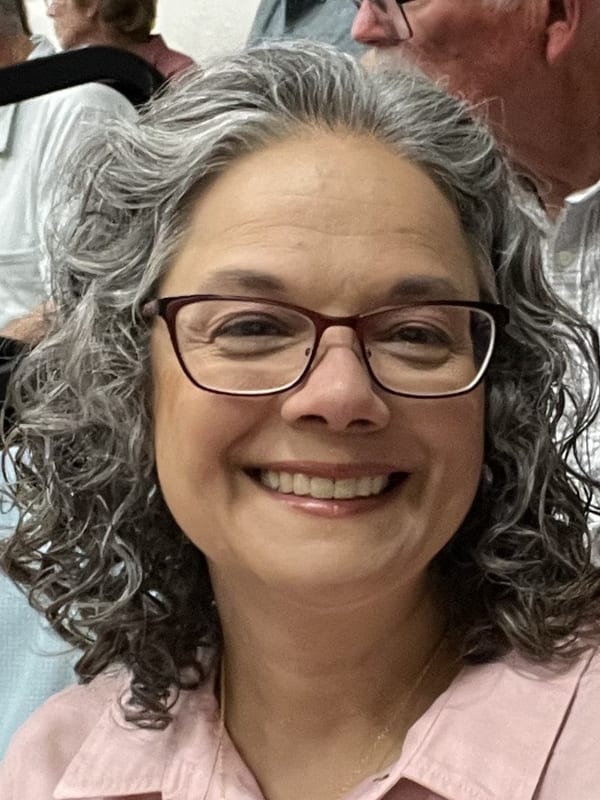
Natasha McColl MA. LPC
Natasha McColl is a Licensed Professional Counselor (LPC). Born and raised in Montreal, Quebec, Canada. Natasha spent the first part of her life studying and working in the big city. After meeting her husband in college, Natasha eventually moved to small-town Wyoming where they have raised their family of 3 children and a dog.
Natasha did her undergraduate degree in Psychology at McGill University, a Master’s degree in Catholic Theology at Franciscan University of Steubenville, and a Master’s in Professional Counseling at Liberty University. Natasha began addiction treatment work in 2006 as a certified addictions practitioner. She returned to school and was licensed as a mental health counselor in 2021. She has now worked in mental health for 20 years. She has worked with clients who have experienced various mental health struggles using EMDR and CBT. These are well-established interventions for trauma, depression, anxiety, ADHD and more.
Therapeutic approach
What is Eye Movement Desensitization and Reprocessing? EMDR (Eye Movement Desensitization and Reprocessing) is a therapy tool that helps people to heal from the symptoms and emotional distress that occur because of disturbing life experiences. It is widely assumed that severe emotional pain requires a long time to heal. However, EMDR therapy shows that the mind can effectively heal from psychological trauma in a similar way to the body's ability to recover from physical trauma. If the system is blocked or imbalanced by the impact of a disturbing event, the emotional wound festers and can cause intense suffering. Once the block is removed, healing resumes. Think about when you cut your hand. Your body will work to close the wound, but if a foreign object or repeated injury irritates the wound, it festers and causes pain. Once the wound is cleaned and the foreign object is removed, healing resumes. EMDR helps the brain's survival instinct (fight, flight, freeze) to rest, so that high functioning can take over and healing can happen. Once the survival instinct is resolved (often experienced as body sensations and strong emotions), the brain’s information processing system naturally moves toward restored mental health . What is Cognitive Behavioral Therapy? CBT (Cognitive Behavioral Therapy) states that we all hold beliefs about ourself, others, and the world around us. These beliefs can be health or unhealth. They impact how we think, how we feel, and ultimately, how we behave. In fact, the more we access these negative beliefs, the stronger they become. They present automatically and often unconsciously. By recognizing unhealth beliefs and changing them to something more healthy and positive, we can manage emotions more easily, and hopefully, behave in new healthier ways. What is Faith-Informed Care? All healing originates in and with Our Lord. We invite the Holy Spirit to infuse the therapy session through Church teaching, Scripture, and Christian philosophy. A faith perspective is easily integrated with both EMDR and CBT and adds a spiritual healing element to this work.
EMDR Therapy
Faith-Informed Care
Cognitive Behavioral Therapy
Education & training
- Master of Professional Counseling — Liberty University Master in Theology - Franciscan Univerity of Stuebenville Bachelors of Arts - McGill University
- EMDR Trained — EMDR Institute
- Licensed Professional Counselor — State of WY, MT, TN, TX, CA, WA
Ready to take the first step?
Reaching out is an act of courage. I offer a free 15-minute consultation so we can explore whether working together feels like the right fit.
Schedule a consultation